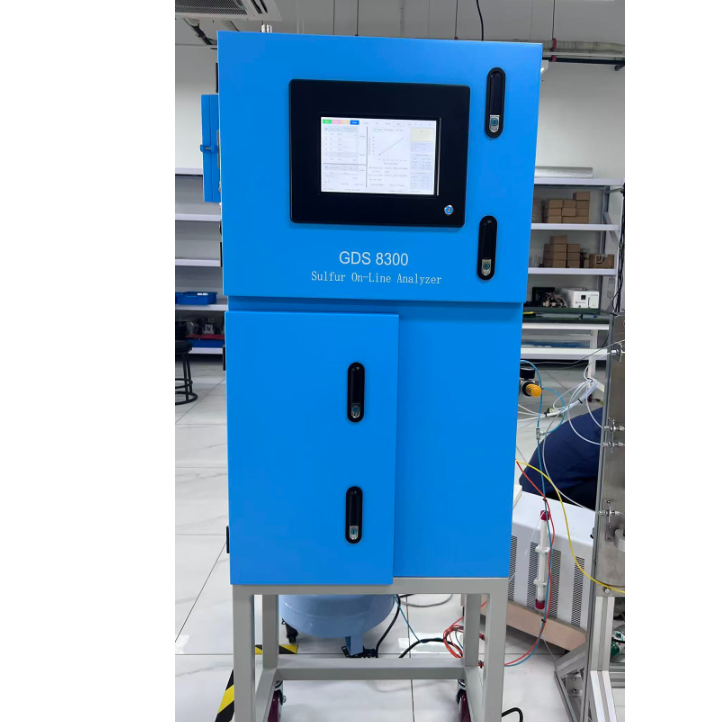
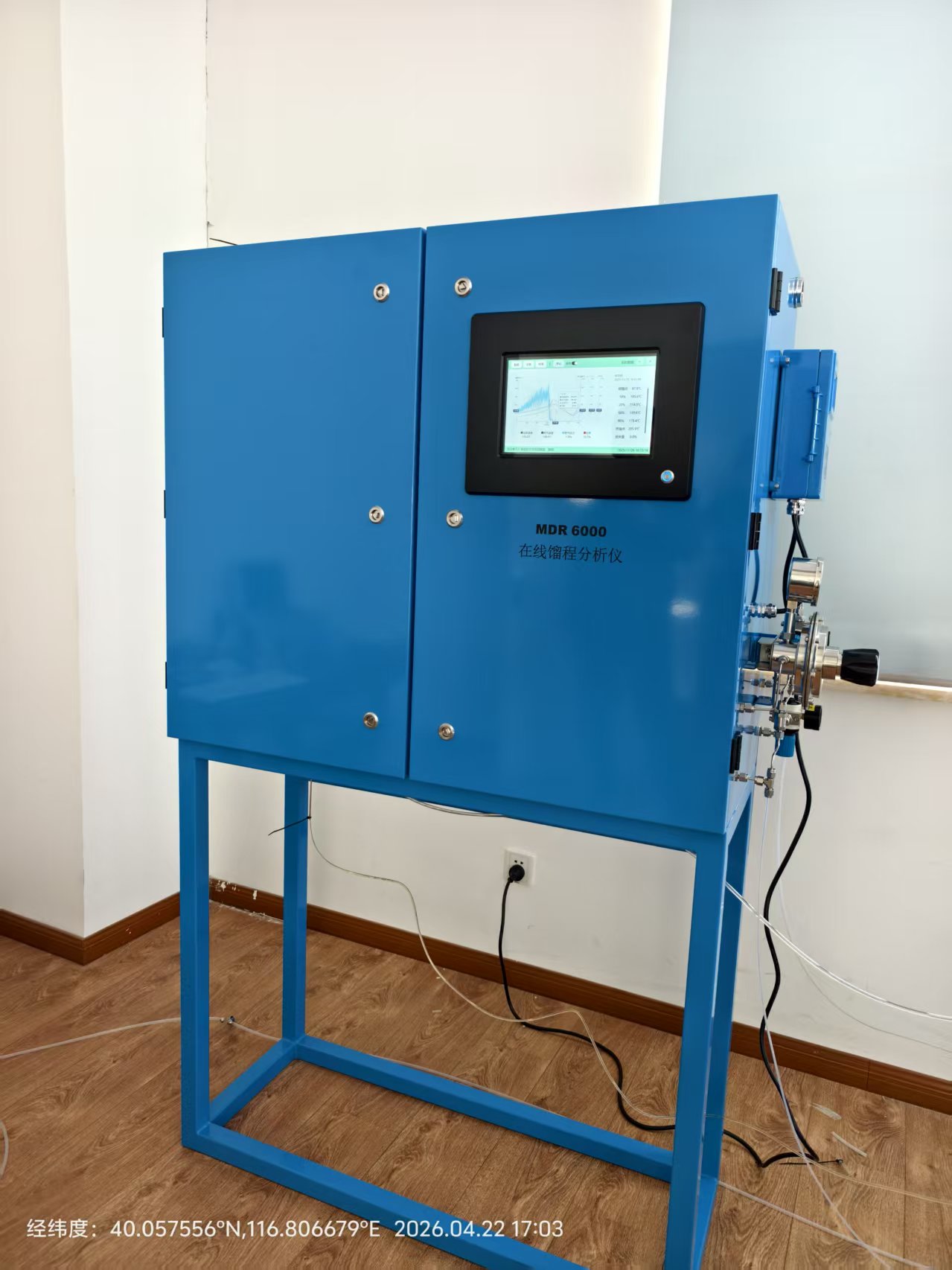
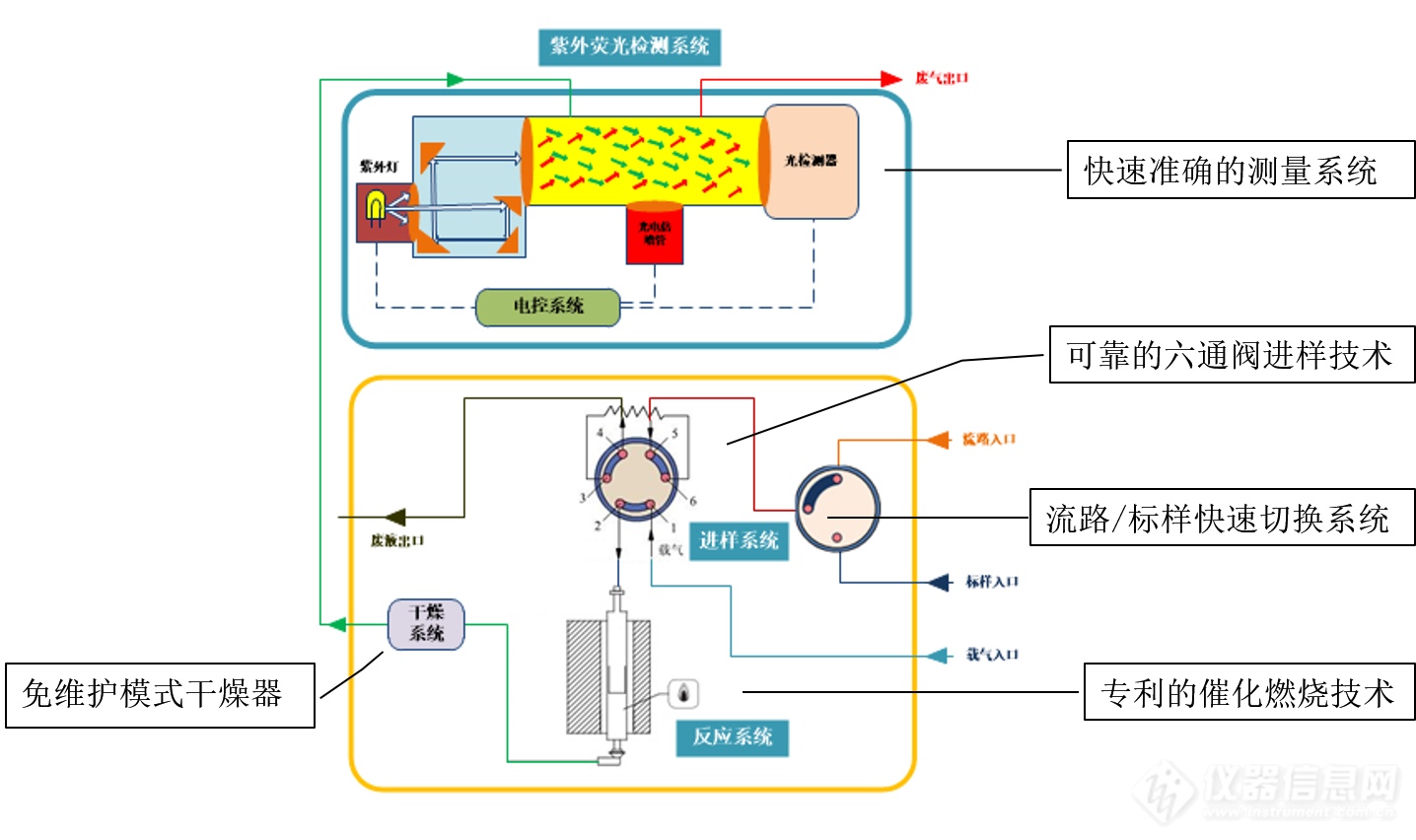
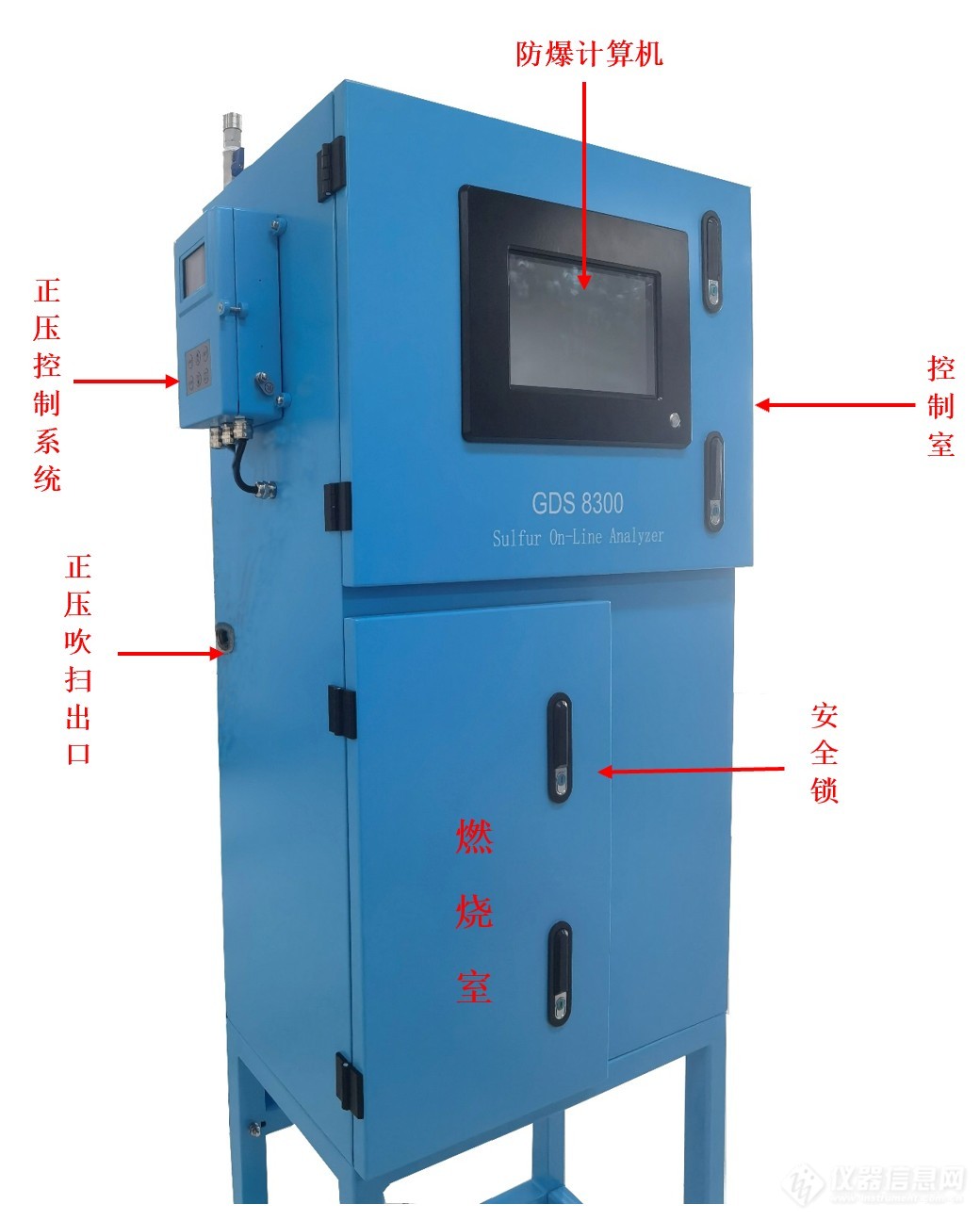
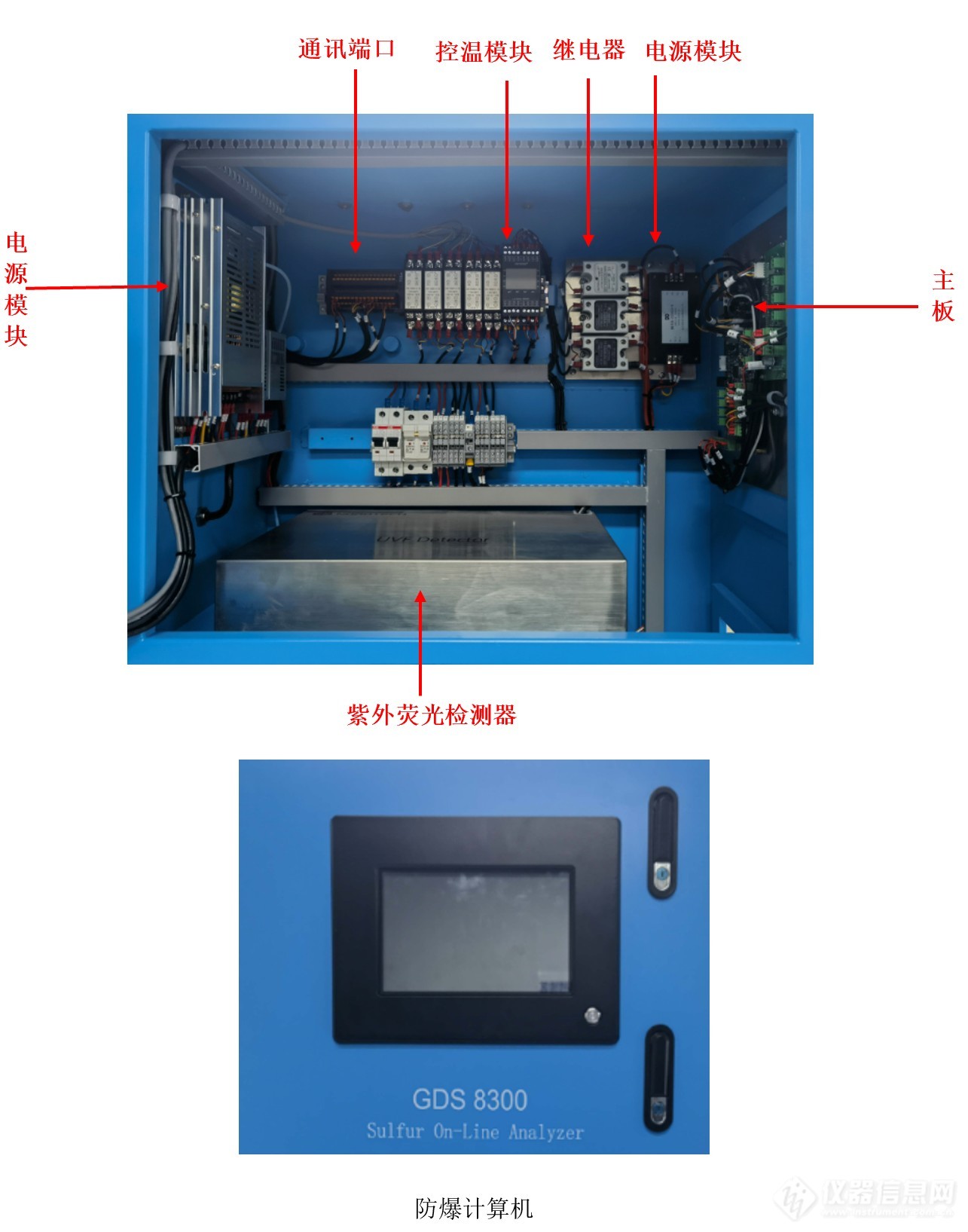
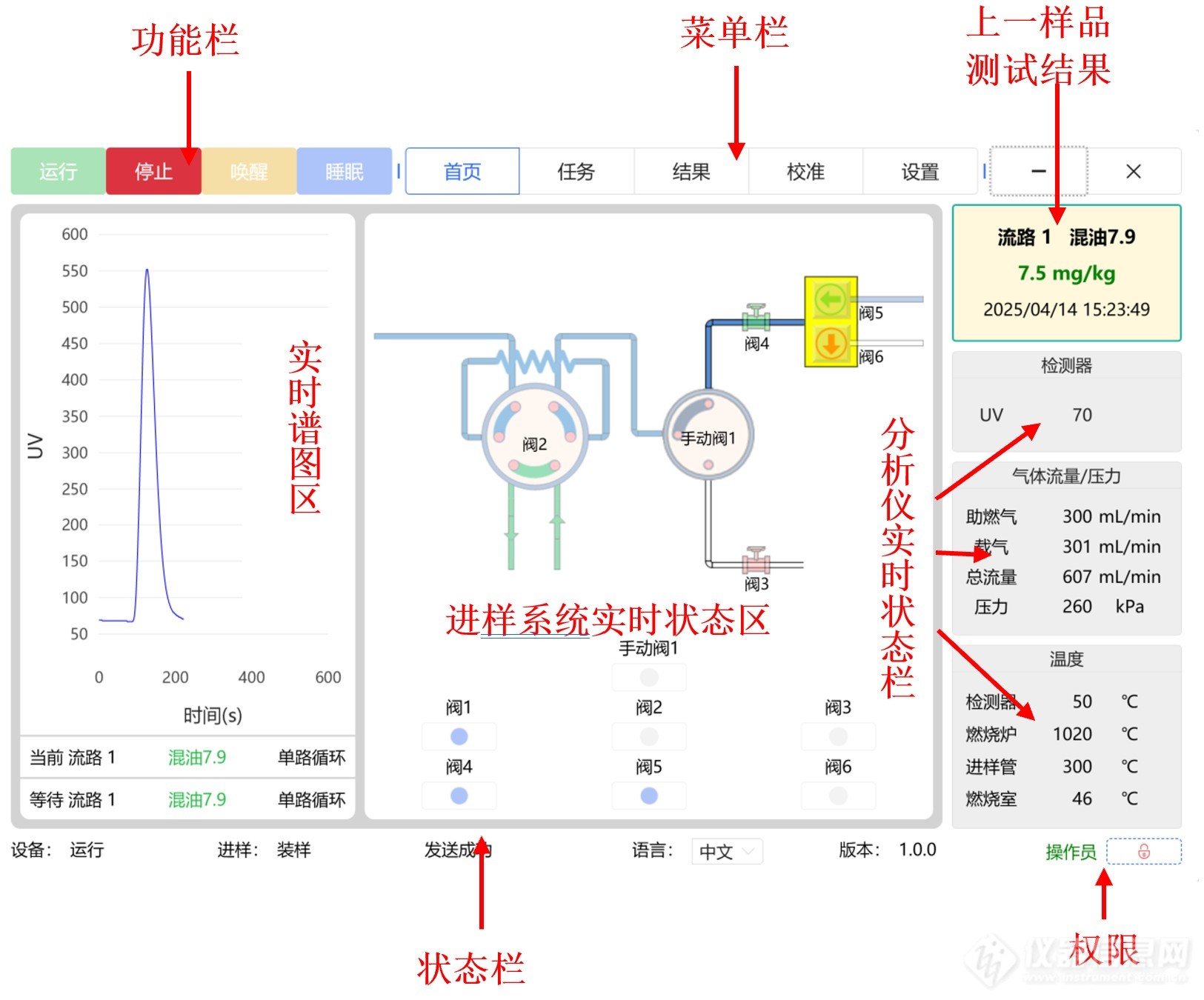
GDS8300 online sulfur analyzer employs high-temperature combustion and ultraviolet fluorescence method to detect sulfur content in liquid or gaseous hydrocarbons.
After the hydrocarbon sample is combusted at high temperature, various sulfur-containing compounds in the sample (such as H₂S, COS, methyl mercaptan, benzothiophene, dibenzothiophene, sulfides, disulfides, and mercaptans) are converted into sulfur dioxide (SO₂) gas. The SO₂ gas is carried by the carrier gas through a high-efficiency membrane dryer, and the dried SO₂ gas mixture then enters the ultraviolet fluorescence detector for measurement.
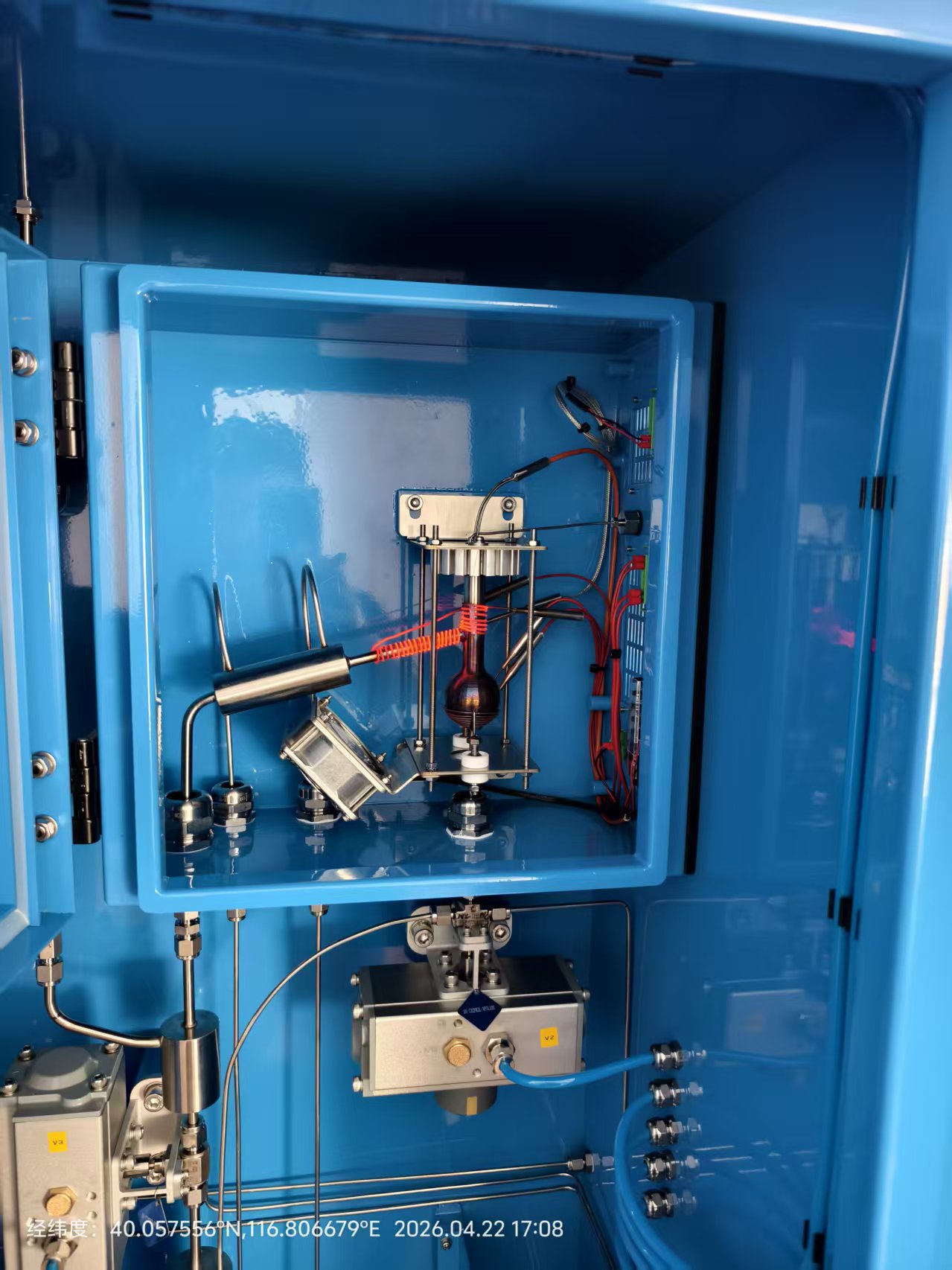
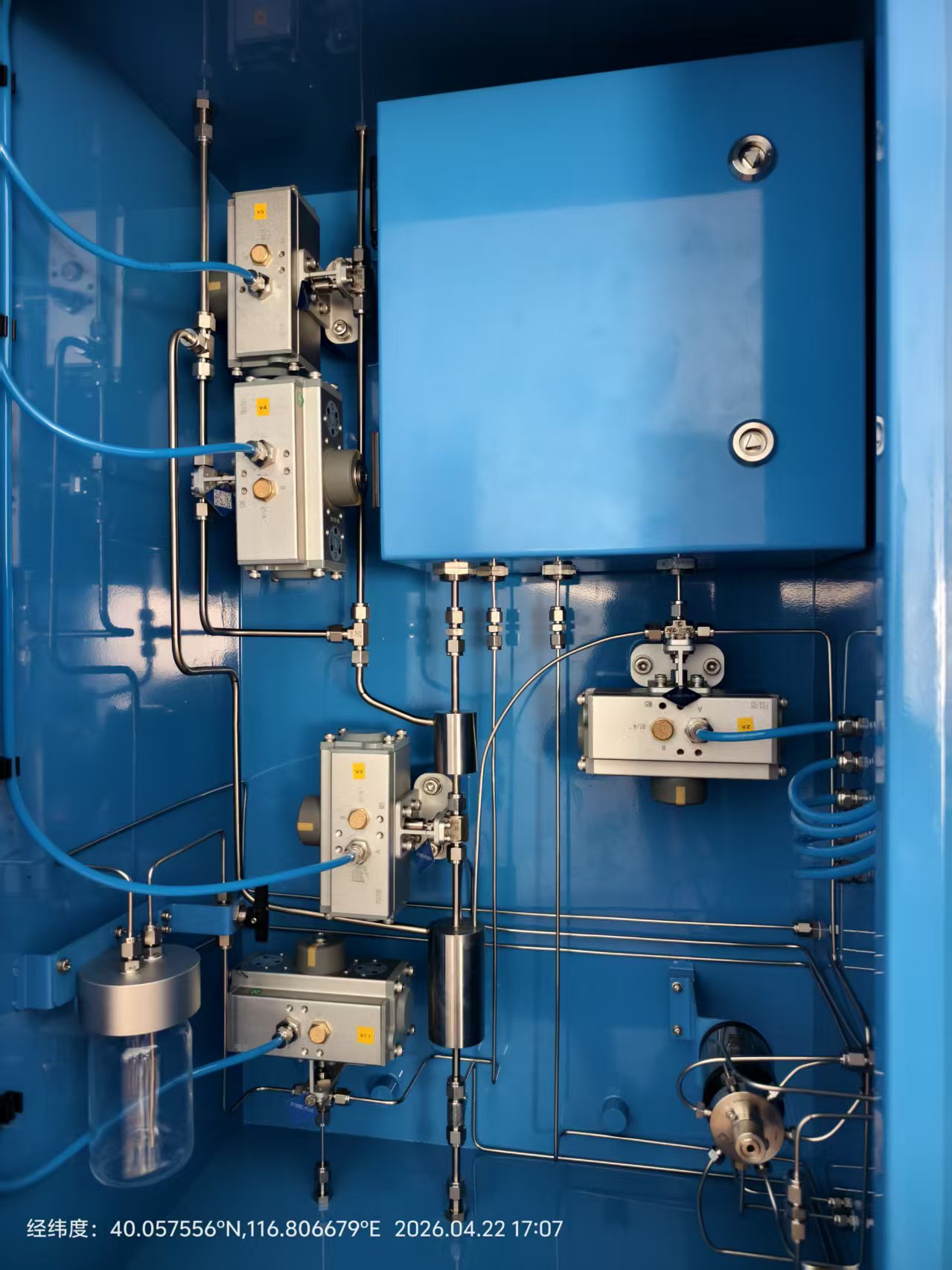
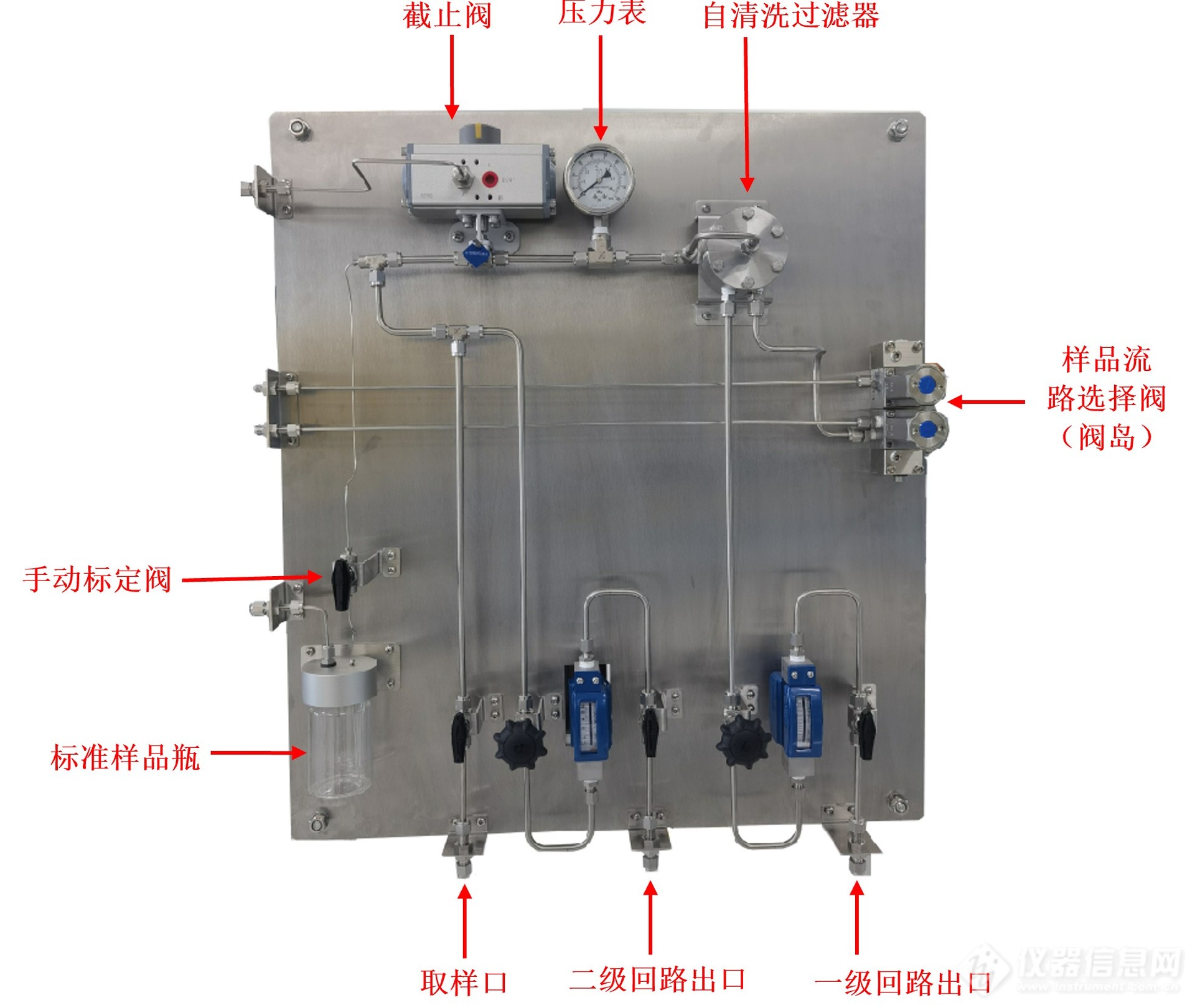
Typically, hydrocarbon samples such as diesel, gasoline, or other common petroleum fractions (e.g., naphtha) are in liquid form. The sampling system accurately meters the sample to be analyzed and injects it into the combustion tube (maintained at 1000°C). The sample is vaporized in the combustion tube packed with catalyst and fully combusted in an oxygen-rich atmosphere, generating a mixed gas of carbon dioxide, water vapor, and sulfur dioxide. The total amount of sulfur dioxide produced during combustion is proportional to the total sulfur content in the sample.